
The Duwende
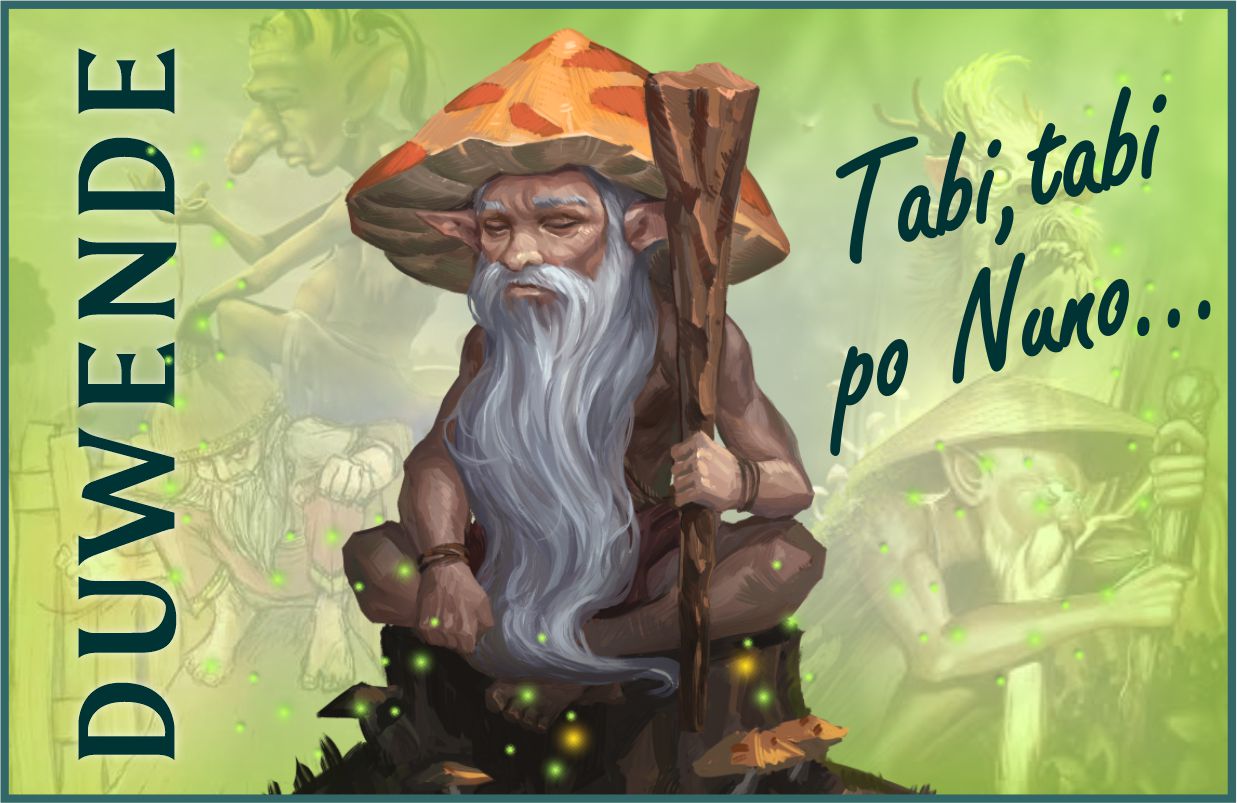
What is a Duwende?
It goes by many names in Filipino folklore. Much like the fabled aswang, the gnome-like duwende goes by different names and has different characteristics among the various tribes and cultures that believe in them. However, despite their varying folklore, the duwende, in whatever name they might be called, do share several commonalities.
Similar to dwarves and gnomes from European lore, the duwende are described as tiny, magical beings, as small as a man’s hand or sometimes larger. They are normally magical creatures and usually resemble a tiny, old man. They are said to be playful, friendly, and benevolent toward humans, and use their magic to help and give gifts to people they like, especially beautiful women. Some lore mentions their affinity for gold and precious stones. But there are also those who are mischievous and capricious who enjoy playing tricks and pranks, and sometimes even go so far as to curse people who have angered them.
They have large heads, most of them have beards, wear red clothes, and wear dried squash fruit as hats. Some only have one eye and big noses. They live underground and come out at noon or after sunset. Like human societies, they live in communities and have leaders – a king and even a queen.
Those in the upper class wear colorful clothes. They multiply by creating another duwende from soil. Black duwendes look different. They have greasy, coal-black skin, bloodshot eyes, and a pair of small horns. The texture of their skin is similar to that of frogs, and they wear nothing but leaves to cover their private parts. They hiss at humans who can see them. Sometimes a duwende becomes attracted to a human and gives them gifts, such as fruits, nuts, shells, and even gold accessories.
Another commonly used name for a duwende is nuno sa punso among the Tagalog people. The nuno sa punso is a small, gray-skinned, pointy-eared, and bearded old man, no taller than a one-year-old child but older than the oldest trees around.
The ancient Tagalogs considered them the true owners of the land. Old folks say they have been around before man set foot on the archipelago. They are often seen seated atop an anthill, absorbed in deep thought, or roaming the field or hills. Nobody really knows where they live, although most say they reside in the hollows of a tree or inside an anthill no taller than a person’s knees. Unlike the duwende, they are more forgiving – having lived for centuries and even for a few millennia – and only inflict harm when push comes to shove. Most of their kind are fond of children and women, sometimes leaving gifts to those whom they favor. An offering of unsalted viand is most welcomed by the nuno sa punso.
It is from this folklore that the saying, “Tabi, tabi po nuno,” came to be every time someone walks by a mound or anthill. It generally means saying “excuse me” to the nuno or duwende residing there to avoid accidentally stepping on them and getting yourself cursed as a result. To this day, Filipino children, especially little boys, are warned by their elders to refrain from urinating on mounds lest they want their penises cursed and swelled to horrific proportions.
The duwende is also known as apo, nuno, and matanda. In some areas in Mindanao, they are called tawang lupa. Other names describing beings similar to the duwende are ansisit and tirtiris amongst the Ilocano and Waray people, the kamanan-daplak from Zambales, the la’aw from the Manobo people, and many others from other cultures.
In the Alamat Book Series
In my Alamat books, the duwende, like the kapre, is an all-encompassing term for a species of tiny nilalang-lubong, or earth-bound creatures. They have different races and cultures that distinguish an ansisit from a tirtiris, a kamanan-daplak from an ugaw, and every other type of duwende. And just like in the various folklores across the Philippines, each duwende race is different from the others, both in physical appearance and in culture. Some are slightly bigger than others; some have different skin tones; some wear resplendent clothing, while others prefer rags and tree bark.
Preferring to live in trees and burrows beneath the earth, duwendes are masterful diggers. Should they choose to, a small community of duwendes can tunnel through a mile underground in a day. They are also skilled gardeners and can turn any lifeless environment into a green and thriving garden.
Being the smallest and least physically prominent among the different species of nilalang-lubong, the duwende make up for it by being the most gifted and skilled in the use of magic. Using a combination of both biyaya or earth magic with a modicum of búhiwag or the light magic of Kaluwalhatian, duwendes can either gift or curse those whom they encounter or cross their paths.
Though unable to participate in the great battles that have shaped and continue to shape the world of Alamat, this race of tiny earthbound creatures has, in the past, involved themselves in the lives of those who do. Most notably that of the Lakandians, in their never-ending efforts to stop the dark machinations of Kasanaan and their evil dalaketnon agents.